Skip Hire Osterley - Health & Safety Policy
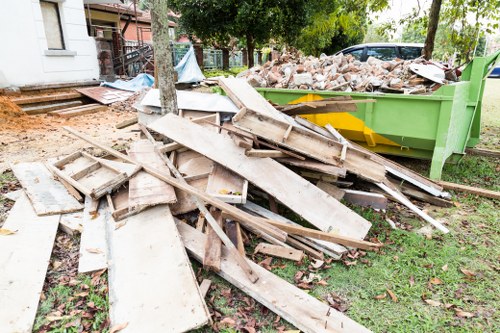 Skip Hire Osterley is committed to delivering a safe, compliant and professional skip hire and waste removal service across our rubbish company service area. This policy sets out our approach to managing health and safety risks for staff, contractors, customers and the public while providing skip hire, rubbish removal and waste collection services. It applies to all operations, including delivery and collection of containers, on-site waste handling and transfer activities.
Our objective is to prevent injury and ill health and to minimise environmental impact through safe working methods. The policy complements our operational procedures for a reliable skip hire service area and a conscientious rubbish collection service area, and it supports continual improvement in safety performance.
 Responsibilities are clearly defined. Senior management has overall accountability for health and safety and will ensure appropriate resources are available. Supervisors and operatives must follow safe systems of work and report hazards. Every worker must take reasonable care for their own safety and that of others, and cooperate with reasonable instructions for safe working in the rubbish removal service area.
Risk assessment and safe systems: we carry out systematic risk assessments for routine and non-routine activities including loading and unloading skips, vehicle movements, manual handling, working at height and interaction with public spaces. Controls include task-specific method statements, traffic management plans, use of mechanical aids and safe stacking protocols for a robust skip hire service area.
 Personal protective equipment (PPE): appropriate PPE is provided and must be worn where specified. This includes high-visibility clothing, gloves, steel-toe boots, eye protection and respiratory protection where dust or airborne contaminants are present. Supervisors monitor compliance to ensure the safety standards of a professional rubbish company service area are met.
Training and competency: we ensure staff are trained and competent for the roles they perform. Training covers vehicle operation, safe manual handling, hazard recognition, emergency procedures and waste segregation. Induction and regular refresher training help maintain skills and awareness throughout the rubbish collection service area.
Vehicle and transport safety: vehicles are maintained to a high standard with scheduled inspections, record-keeping and immediate action on defects. Drivers follow safe loading limits and secure loads to prevent spillage during transit. We implement clear reversing and escort procedures to protect operatives and the public in the waste management service area.
 Site management and public safety: when delivering or collecting skips we assess site conditions, establish exclusion zones where necessary and use signage and barriers to protect pedestrians and road users. Communication with site contacts ensures that operations respect local constraints and minimise disruption across the wider rubbish removal area.
Waste handling and segregation: materials are assessed and segregated to comply with environmental standards and reduce risks from hazardous or bulky items. Prohibited items (such as asbestos, certain chemicals and lithium batteries) are documented and removed through appropriate licensed channels. Proper segregation reduces manual handling hazards and supports responsible disposal.
Emergency preparedness: emergency procedures are in place for incidents such as spills, fires, vehicle collisions and medical emergencies. Staff receive instruction on first-aid arrangements, spill kits and emergency contact protocols. Incidents are reported, investigated and used to revise risk assessments and controls across the rubbish company service area.
 Monitoring, audit and review: we routinely monitor performance through inspections, audits and safety meetings. Near-misses and accidents are recorded and investigated to identify root causes and preventive measures. Key performance indicators include incident frequency, training completion rates and audit findings relevant to the skip hire service area.
Policy implementation
The policy will be implemented by integrating safety requirements into everyday operations. Supervisors are responsible for ensuring that safe systems are followed; employees are expected to work safely and report hazards; and management will review resources and support for continuous improvement. This approach aligns practical safety with our commitment to being a responsible rubbish collection company.Continuous improvement and communication
Effective communication underpins this policy. Health and safety information is communicated through toolbox talks, bulletins and on-site briefings. Lessons learned from incidents, audit results and stakeholder feedback drive updates to procedures, ensuring our waste collection and skip hire operations remain safe and efficient in the service area.We adopt a proportionate approach to managing risk that recognises the varied nature of the work carried out by a rubbish removal contractor: from domestic clearances and construction site skips to commercial waste collection. Practical controls and clear responsibilities enable consistent delivery while safeguarding people and property.
Review and approval: this policy is reviewed at regular intervals and after significant incidents or change in operations. Updates are communicated to all staff and key stakeholders. By maintaining high standards and embedding safety into daily practice, Skip Hire Osterley commits to a safer, greener and more reliable rubbish service area for all.